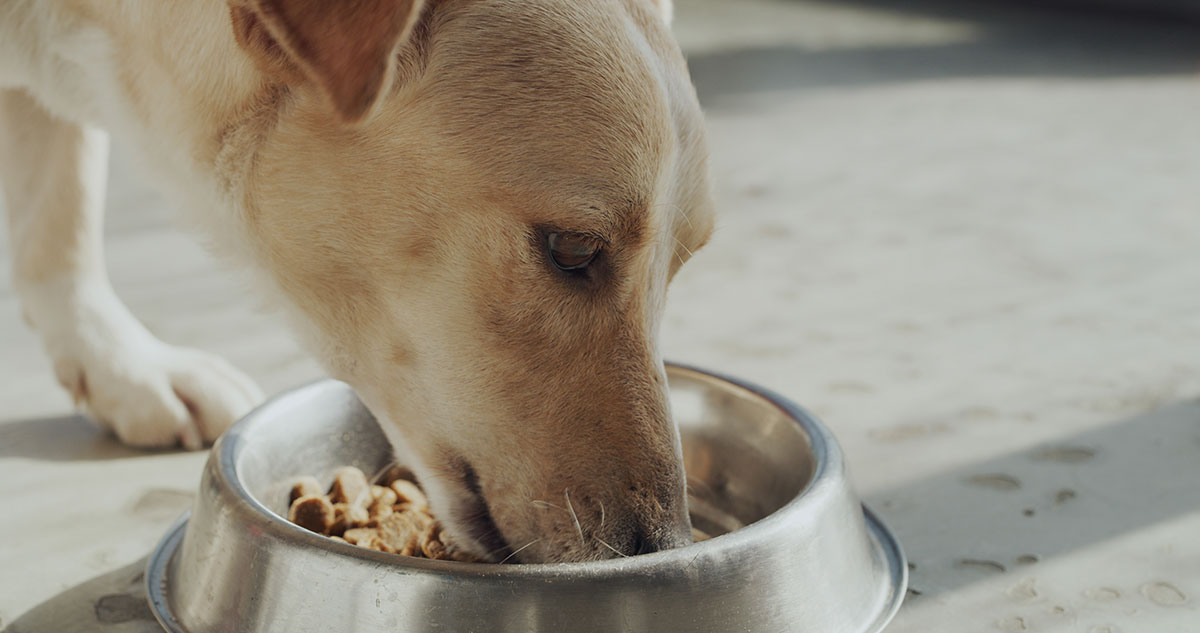
As a veterinarian, one of the most important lessons I have learned over the years is that what pets eat has a profound impact on their overall health and longevity. Nutrition is not just about filling a bowl. It is about providing the right balance of nutrients to support growth, energy, immunity, and long-term wellness. From puppies and kittens to senior animals, a proper diet is one of the most effective ways to help pets live longer, healthier lives.
The Foundation of Health
Nutrition is the foundation of health for every animal. Just like humans, pets require a balanced diet to maintain optimal organ function, muscle tone, and energy levels. Feeding high-quality food that meets a pet’s specific needs is essential. Poor nutrition can contribute to obesity, dental problems, digestive issues, and even chronic diseases such as diabetes or kidney problems.
From my experience, families who focus on proper nutrition for their pets see remarkable benefits. Puppies and kittens grow stronger and more resilient. Adult animals maintain healthy weight and energy levels. Senior pets can enjoy better mobility and vitality. It is a simple but powerful tool in promoting wellness throughout a pet’s life.
Understanding Nutritional Needs
Different species and life stages require different nutritional approaches. Dogs and cats have unique dietary needs, and what works for one may not work for the other. Puppies and kittens require diets rich in protein, fats, and essential vitamins for growth. Adult pets need balanced maintenance diets to support daily energy and prevent weight gain. Senior pets benefit from diets that support joint health, kidney function, and digestive efficiency.
For exotic pets, birds, and reptiles, nutrition can be even more specialized. Many of these animals have specific vitamin and mineral requirements. A deficiency in any essential nutrient can lead to serious health problems. Understanding the nutritional needs of each pet is the first step in ensuring they thrive.
The Impact of Obesity
One of the biggest nutritional challenges I see in practice is obesity. Overfeeding, high-calorie treats, and insufficient exercise contribute to weight gain in pets. Obesity can lead to a wide range of health problems, including joint stress, heart disease, diabetes, and reduced lifespan.
I always encourage pet owners to monitor their animals’ weight and body condition. Maintaining a healthy weight is easier with portion control, appropriate food selection, and regular exercise. Even small adjustments in diet can make a significant difference over time.
Importance of High-Quality Ingredients
Not all pet foods are created equal. High-quality ingredients provide the nutrients pets need without unnecessary fillers, artificial additives, or low-quality proteins. When recommending diets, I emphasize foods that contain whole meats, vegetables, and grains appropriate for the species. High-quality diets support energy, immunity, and overall wellbeing.
Reading labels and understanding what goes into a pet’s food is critical. Many owners are surprised to learn that some commercial diets are high in carbohydrates or by-products that do not offer significant nutritional value. Choosing a diet formulated for the specific species, life stage, and health condition of the pet can prevent deficiencies and support long-term health.
Hydration Matters
Nutrition is not only about solid food. Hydration plays a key role in pet health. Water supports kidney function, digestion, and overall cellular health. Ensuring pets have constant access to fresh, clean water is essential. In some cases, especially with senior cats or pets with urinary or kidney concerns, encouraging hydration through wet food or water fountains can make a meaningful difference.
Preventative Nutrition
Proper nutrition is a form of preventative medicine. Feeding the right diet can reduce the risk of obesity, support joint health, and improve immune function. Regular wellness exams allow veterinarians to assess weight, body condition, and overall health, providing opportunities to adjust diet before problems arise.
I encourage owners to treat nutrition as part of a comprehensive health plan. Combining a balanced diet with exercise, regular checkups, and preventative care creates a holistic approach that supports pets throughout their lives.
Special Considerations
Each pet is unique, and some may require specialized diets due to health conditions. Pets with kidney disease, diabetes, allergies, or gastrointestinal sensitivities benefit from diets designed to manage these issues. Working closely with a veterinarian ensures that dietary changes are safe, effective, and tailored to the individual animal.
I have treated many pets whose quality of life improved dramatically simply by adjusting their diet. From older dogs regaining mobility to cats with sensitive stomachs thriving on a new formula, nutrition can be transformative.
Educating Pet Owners
Education is a key part of my role as a veterinarian. Many pet owners do not realize how significantly diet impacts health and longevity. Taking the time to explain the benefits of proper nutrition, read labels, and plan meals can empower families to make informed decisions. Nutrition is a partnership between the veterinarian and the pet parent, and collaboration ensures the best results.
Final Thoughts
Nutrition is one of the most powerful tools we have to promote pet health and longevity. Feeding high-quality, species-appropriate diets, maintaining a healthy weight, and staying hydrated are essential components of overall wellness. Nutrition works hand-in-hand with preventative care, exercise, and regular veterinary visits to support pets at every stage of life.
As a veterinarian, I have witnessed the difference that proper nutrition can make. Pets thrive, owners feel confident in their care, and the bond between human and animal grows stronger. Paying attention to what our pets eat is more than a responsibility; it is an investment in their health, happiness, and lifespan. By prioritizing nutrition, we can help our animal companions live long, vibrant, and fulfilling lives.